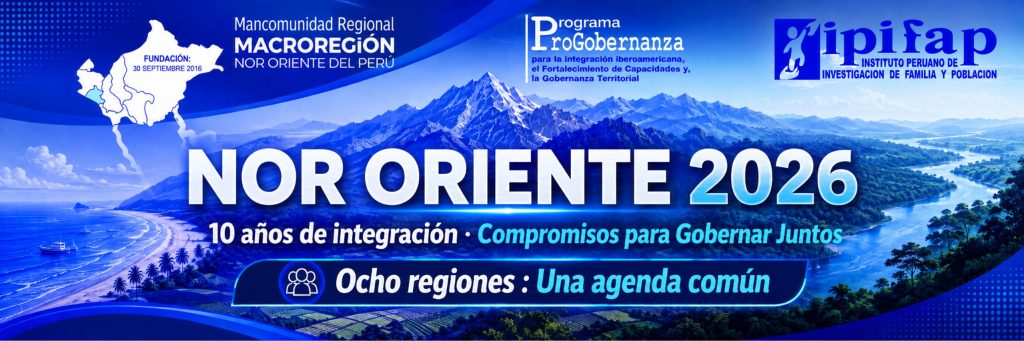
CAJAMARCA +10
NORTHEASTERN PERU MACROREGIONAL FORUM 2026
Eight regions, one shared agenda for 2027–2030
Thursday, November 12, 2026 · 9:00 a.m.–12:20 p.m. (Peru time) · Online
A technical and institutional gathering to turn a decade of macroregional integration into effective cooperation, public priorities and measurable commitments.
Forum outcomes at a glance
On November 12, 2026, the Northeastern Peru Macroregional Forum 2026 – Cajamarca +10 drew on lessons from a decade of regional integration and opened a technical dialogue on the shared priorities of the Association’s eight regions. Speakers connected experience in regional governance with proposals from across the regions and the conditions needed to put them into practice.
Highlights from the Forum
- Institutional lessons and cooperation between regions. Andrés Escudero Cabada and Francisco Huerta Benites shared lessons from the Association’s experience. Carles Llorens Vila of ORU FOGAR offered an international perspective on cooperation among regional governments.
- Decentralization and regional planning capacity. The Secretariat for Decentralization of Peru’s Presidency of the Council of Ministers addressed coordination across levels of government. CONIDA presented how aerospace capabilities can support land-use planning and disaster risk management.
- Regional proposals and investment. Session 5 brought together proposals from regional stakeholders to identify shared priorities and inform the investment agenda. In the closing session, Richard Sánchez Portugal explained how to turn an identified regional need into a technically mature project with assessed risks and the groundwork needed to seek financing.
In a message conveyed by the General Secretariat of the Piura Regional Government, the Association’s Executive Directorate thanked the organizers for the invitation and reaffirmed its commitment to the Forum’s objectives and to sustainable development in northeastern Peru. The message noted that the executive director was unable to attend due to official duties.
Taking the work forward in 2027–2030
The Forum’s contributions can inform discussions in the new term. The Governing Board, made up of regional governors and led by its new chair, can draw on them when prioritizing initiatives that require coordination across regions. The regional councillors serving in the Macroregional Assembly can also draw on them when discussing and monitoring progress on the shared agenda.
From Cajamarca +10 to a governance agenda for 2027–2030
On the tenth anniversary of the integration process of the Northeastern Peru Macroregional Association, IPIFAP promotes a space for assessment, plural dialogue and proposals for a new stage of interregional cooperation.
Territorial scope: Amazonas, Cajamarca, La Libertad, Lambayeque, Loreto, Piura, San Martín and Tumbes.
Institutional memory and continuity
A review of progress and coordination challenges since 2016, including management experiences and technical cooperation.
Governance outcomes
Shared priorities, institutional responsibilities, public monitoring and cooperation opportunities for 2027–2030.
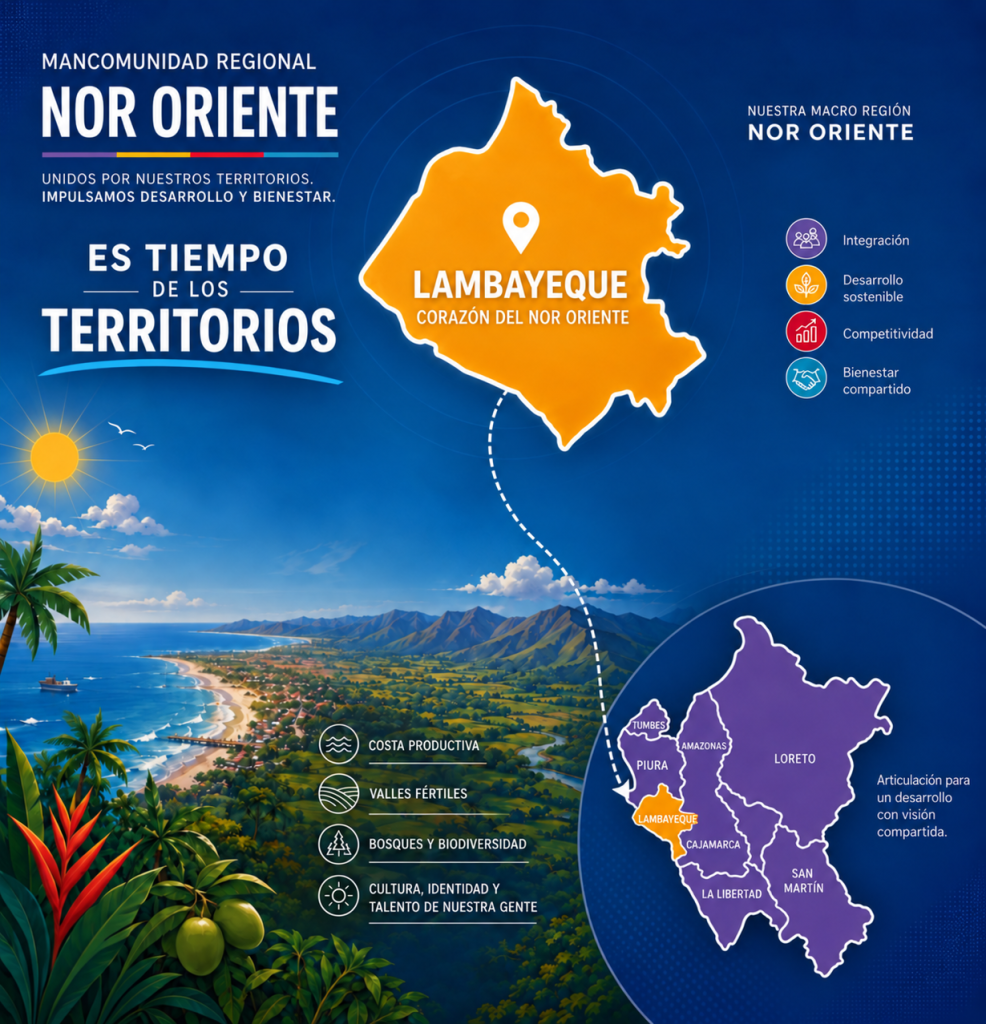
Why this Forum? A decade of institution-building
The Northeastern Peru Macroregional Forum 2026 does not start from scratch. It builds on a history of technical assistance, institution-building, capacity development and investment planning, laying the foundation for a renewed agenda for 2027–2030.
2016
Technical foundations: The ProGobernabilidad project, supported by Canadian cooperation, contributed to the Technical Report on the Macroregional Association and assessed its institutional, territorial and investment feasibility. The Association was established on September 30.
2017
Institutional establishment: The Northeastern Peru Macroregional Association was formally registered as an intergovernmental coordination body bringing together the eight member regional governments through their governors and regional councillors.
2019
Institutional strengthening: Efforts focused on establishing and consolidating the Association and its technical team, strengthening its governing bodies and the effectiveness of its Board of Directors—made up of eight governors—and its Macroregional Assembly of Councillors.
2022
Management and investment: The Association updated its bylaws, approved its institutional operating plan and budget, and incorporated an investment agenda organized by priority strategic objective, with multidepartmental projects included in its official agenda of February 15, 2022.
2023–2025
During this period, meetings and technical working sessions addressed tourism, infrastructure and connectivity. Initiatives also focused on public integrity and territorial development. In Chiclayo, a portfolio of 48 tourism investment projects worth PEN 718.15 million was presented.
2026
Review and forward planning: Marking the tenth anniversary of the macroregional integration process, the Forum convened by IPIFAP seeks to draw lessons from past efforts, foster technical dialogue among territorial stakeholders and identify shared priorities for governance, cooperation and investment in 2027–2030.
Institutional continuity, strategic project portfolios and multilevel governance for a new stage of macroregional integration.
Leadership and Regional Governance Dialogue 2027–2030
Inclusive participation by territorial stakeholders working to improve management in strategic areas including tourism, health, education, disaster risk management, connectivity, sustainable productive development, energy (Petroperú) and agribusiness.
Institutional and historical panel
Confirmed participants and institutional invitations in progress.
Andrés Escudero Cabada
Former General Manager of Northeastern Peru Macroregional Association (2016–2019)
Institutional origins, establishment of the regional association model and lessons from its first stage.

Francisco Huerta Benites
Former Executive Director of Northeastern Peru Macroregional Association (2021–2023)
Institutional continuity, interregional management, operational lessons and shared projects.
Carles Llorens Vila
Secretary-General ORU FOGAR (United Regions Organisation
International cooperation, multilevel governance and connecting regions through global networks.
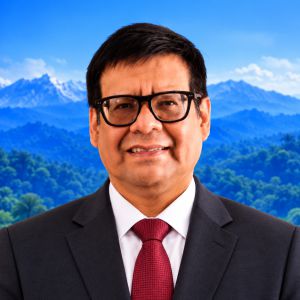
Jesús Oswaldo Quispe Arones
Secretary of the Decentralization Secretariat of the Presidency of the Council of Ministers
Decentralization policy, territorial responsibilities and intergovernmental coordination.
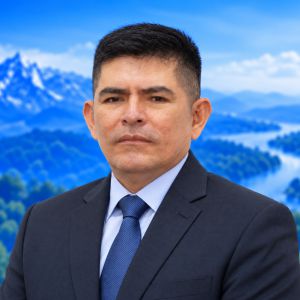
José Jesús Pasapera Gonzáles
Director of Geospatial Applications and Geomatics at the National Commission for Aerospace Research and Development
Governing agency for space activities and home of the Peruvian Space Agency, established by D.L. 20643
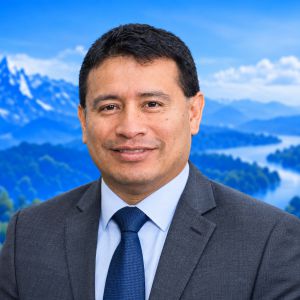
Richard Manuel Sánchez Portugal
Doctoral candidate in Economic Management. Master’s degree in Finance. Economist Engineer. Lecturer at the National UNI.
Postgraduate studies in Project Management, Evaluation and Structuring, including Project Finance. Senior consultant and international conference speaker.
Territorial Stakeholders Panel and Investment Agenda 2027–2030
Sectoral gaps, strategic projects and capabilities for a renewed macroregional management agenda.
The Northeastern Peru Macroregional Association progressively developed a development agenda aimed at cross-departmental development and the identification of strategic investments. In 2022, this vision was reflected in a Priority Strategic Objective Investment Agenda, including initiatives in health, tourism, connectivity, infrastructure, water resources, sanitation, productive competitiveness and other public services with a territorial impact.
The challenge for 2027–2030 is to update this vision and move beyond identifying gaps toward a macroregional portfolio of prioritized, technically mature and sustainable projects, able to combine different financing mechanisms and sources, within the applicable legal framework and public administration systems.
In this session, experts and territorial stakeholders will present sectoral proposals for a renewed agenda to be considered by incoming regional authorities and the Association beginning January 1, 2027.
From territorial gaps to projects. From projects to investment. From investment to macroregional development.
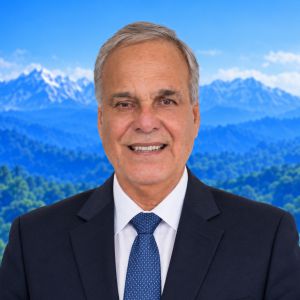
Rafael Aíta Campodonico
Former Member of Congress (2001–2006). Former Deputy Minister for Defence Resources (2008–2010)
Business leader and social advocate in tourism and hospitality; sports administrator.
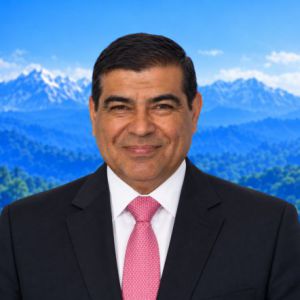
Evin Querevalu Roman
Adviser to the National Petroleum Workers’ Federation (FEDUNPE) – Former Vice-President of the National Coalition of Petroperú Unions
Trade union representative in the oil and energy sector. Lawyer and community leader.
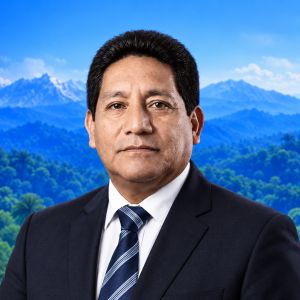
Antonio Serván Picón
Executive Manager, Tourism and Environment Training and Information Centre (OFITUR)
Specialist in sustainable tourism and community development with experience in projects delivering territorial and social impact.
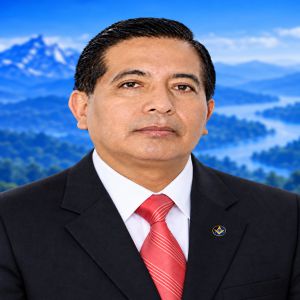
Freddy Manuel Camacho Delgado
Chair of the Organizing Committee, National Autonomous University of Chiclayo (UNACHI).
Economist with teaching and research experience, associated with higher education and the development of new public universities.
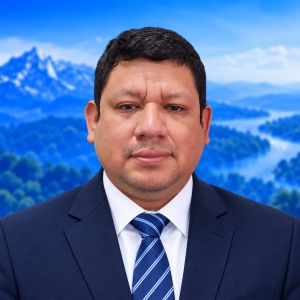
Julio César A. Piscoya Quevedo
Former Executive Director of PRONIED – Senior Project Manager at the National Infrastructure Authority (ANIN)
Specialist in public infrastructure management, education investment and projects to protect against natural hazards.
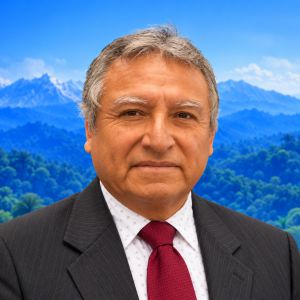
John Charles Torres Vásquez
President of IPIFAP – Director of the ProGobernanza Programme – Former member of the Association’s Technical Team
From the historical agenda to a new investment portfolio: governance, cooperation and opportunities for the Macroregional Association.
Forum themes
Governance and integration
Cajamarca +10 review, capacities of regional associations, decentralization and coordination among regional governments.
Territorial development
Public investment, connectivity, disaster risk management, territorial identity, sustainable tourism and opportunities for interregional collaboration.
Security and scientific evidence
Use of verifiable information: observatories for public decision-making, strengthening the higher education ecosystem, and cooperation networks.
Ageing and care
A macroregional care and social protection system, ageing with dignity, and territorial services for older persons.
THURSDAY, NOVEMBER 12, 2026 · ONLINE EVENT
Forum programme
One day, six dialogue sessions and a shared agenda for Northeastern Peru 2027–2030.
09:00–12:20 (Peru) · 15:00–18:20 (mainland Spain)
01 · Institutional opening
09:00–09:05
09:05–09:15
10 minutes
Room admission / Registration
Welcome, Forum background and presentation of IPIFAP’s territorial integration objectives: John Charles Torres Vásquez
02 · Cajamarca +10: institutional memory and lessons
09:15–10:00
45 minutes
Management experiences, origins and continuity of the Association.
03 · International perspective on the regions
10:00–10:25
25 minutes
Territorial cooperation, regional government networks and multilevel governance.
Carles Llorens Vila (ORU FOGAR).
04 · Decentralization and government coordination
10:25–10:55
30 minutes
Territorial responsibilities, intergovernmental coordination and institutional strengthening: National policy.
10:55–11:25
30 minutes
Land-use planning, disaster risk management,
connectivity and sustainable productive development from an aerospace perspective.
05 · Territorial Stakeholders and Investment Agenda 2027–2030
An inclusive presentation of proposals and shared challenges from territorial stakeholders across the regions, intended to update a portfolio of priorities and investments for the 2027–2030 macroregional agenda:
11:25–12:00
35 minutes
Rafael Aíta Campodónico – Evin Querevalú Román – Antonio Serván Picón – Julio César Piscoya Quevedo – Freddy Camacho Delgado and John Charles Torres Vásquez.
06 · From gaps to bankability: maturity, structuring and access to financing for macroregional projects
A technical presentation focused on analysing the transition from territorial gaps and prioritised projects to technically mature, sustainable initiatives capable of financial evaluation. The session will address project preparation and structuring, risk analysis, sustainability, bankability and the conditions required to access different financing sources and mechanisms within the applicable regulatory framework. It will also provide a national and international perspective on the criteria considered by public entities, investors and potential financing sources when evaluating infrastructure and territorial development projects.
12:00–12:30
30 minutes
Richard Manuel Sánchez Portugal
Doctoral candidate in Economic Management; Master’s degree in Finance; Economist Engineer, with postgraduate studies in Project Management, Evaluation and Structuring, including Project Finance.
He has more than 15 years of experience in project conceptualisation, design, structuring, risk analysis, economic and financial modelling, financing and management across public, private and public–private partnership projects. He served on PROINVERSIÓN’s financial structuring team and worked in the private sector on structuring, awarding and financial closing of major infrastructure projects. He has also held finance management positions in special-purpose companies in the airport sector.
Consolidated programme. Times for Spain use CET in November.
Participation and registration
Free registration · Zoom Webinar · Maximum capacity: 300 participants. Registration will remain open until October 26, 2026, at 11:59 p.m. (Peru time), subject to availability.
Official registration form via Zoom Webinar. Each registered attendee will receive a personal access link by email. Please keep that message until the day of the event.
Information on additional streaming and other official channels will be announced on this page.
Registration deadline: October 26, 2026. After that date, the Forum will enter its technical and operational consolidation phase.
Expected outcomes
Macroregional Technical Agenda 2027–2030
Public, objective documentation of priorities, proposals, cooperation measures and monitoring indicators that, through a Quintuple Helix approach, can strengthen macroregional governance, coordination and decision-making by the Board of Directors—comprising eight governors—and the Macroregional Assembly of twenty-four regional councillors.
Consolidation of the ProGobernanza Programme
A technical platform to maintain momentum and connect territories, academia, international cooperation and the private sector. Through the EURO-ANDEAN HUB technical assistance, partnerships and international forums—in Barcelona and other venues—will connect prioritized projects with universities, cooperation organizations and investors, within the applicable legal framework.
Organization and contact
IPIFAP · ProGobernanza Programme
A platform for institutional coordination, cooperation and technical assistance supporting an inclusive territorial development agenda.
Information on panellists, programme, registration and streaming will be updated as official confirmations are received.